
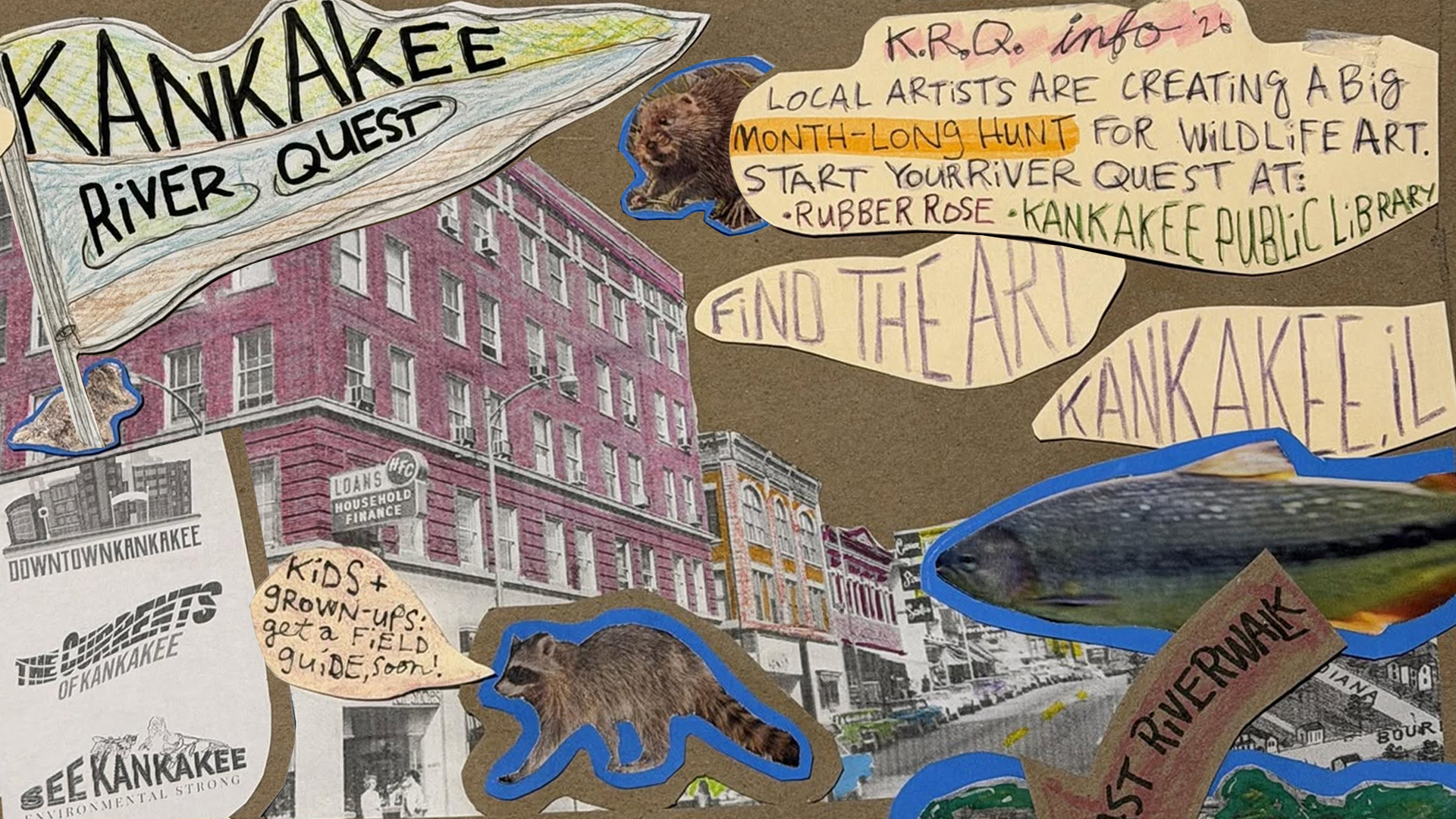
Celebrate the beauty, flora and critters that make the River beautiful
Introducing: River Quest
Join us for a month-long scavenger hunt for river related art. All artwork is created by local artist in celebration of the Kankakee River. It’s fun for everyone, so gather your friends and family and get ready to go on the ultimate quest!
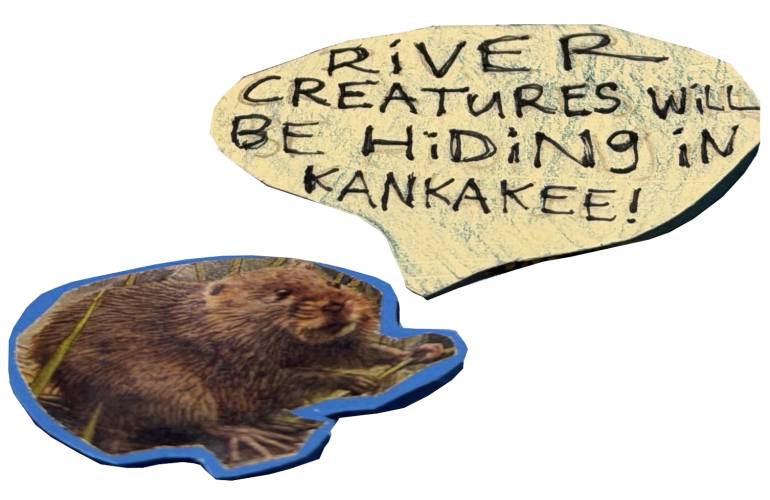
T H E A R T W O R K
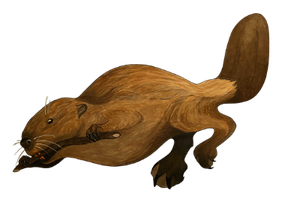
AMERICAN BEAVER
by Molly Ulrich
The largest rodent in North America, the American Beaver can be up to 3 feet in length not counting its tail, and up to 70 pounds. They are glossy brown with oversized front teeth and a distinctive flat, paddle-like tail used for both swimming and slapping warnings to anyone getting too close. Known as the industrious engineers of the river, they can create wetland ecosystems by way of dam and lodges.
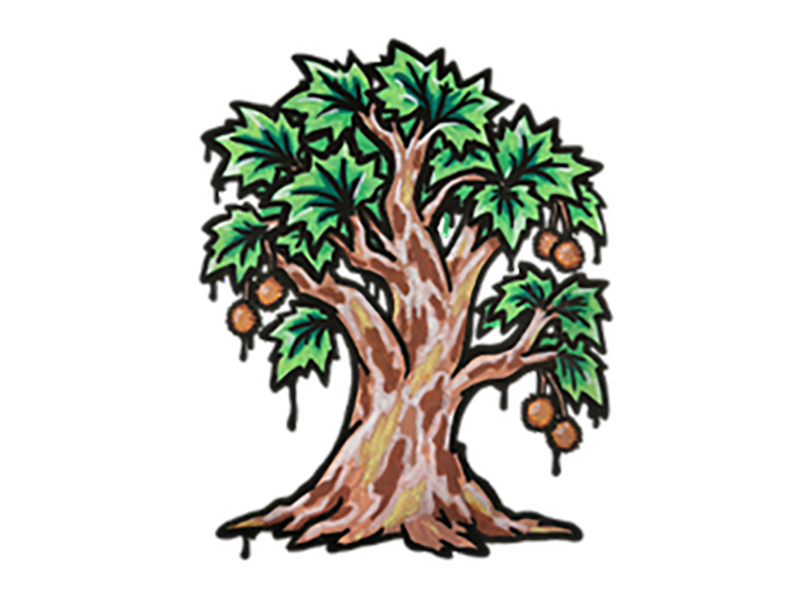
AMERICAN SYCAMORE
by Brandon Collins
One look and its easy to see why the American Sycamore tree is a favorite for many, with its distinguished mottled bark of various textures and colors, patched in white, brown, tan, and green, looking like it has donned a camouflage-jacket, and topped with a large canopy of maple-like leaves. They love river banks, where their expansive root systems provide great support and erosion control.
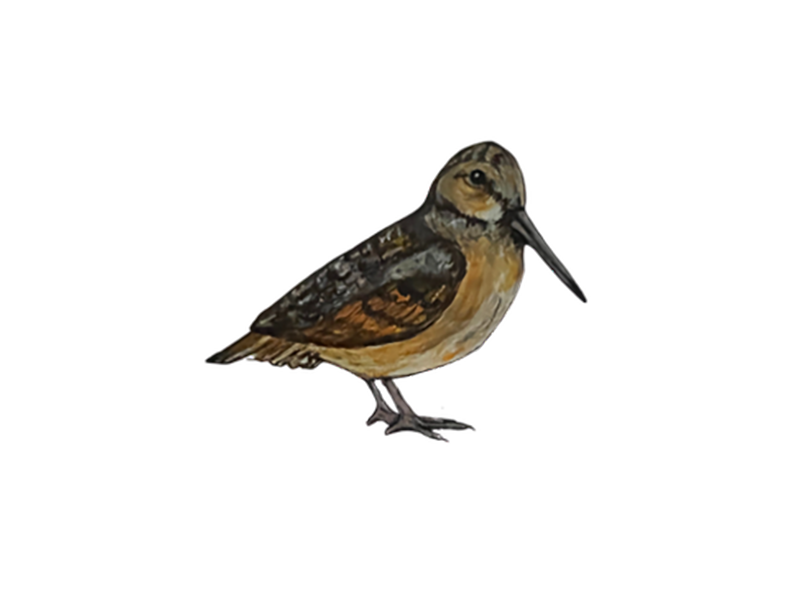
AMERICAN WOODCOCK
by Dina Chamblee
This shorebird sure knows how to boogie with its bobbing strut and spiraling “sky dance” during mating season. Plump, round, and mottled with brown, black, and gray feathers, the American woodcock blends in well with the river banks. They have a long straight bill perfect for probing soil to get worms and other snacks. Not a fan of cold weather, they migrate south to the gulf of mexico and south-eastern states for the winter.
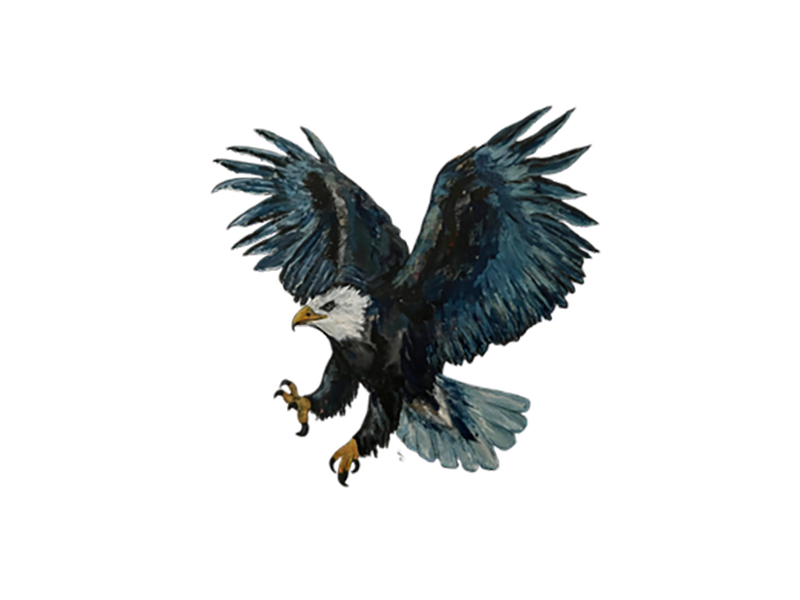
BALD EAGLE
by Dina Chamblee
The national mascot and one of our most iconic river valley residents, the Bald Eagle commands attention. With a massive wing-span the size of a basketball player, they soar above the river valley looking for fish and other prey. When mature, they have a dark brown body, distinct snow-white head and tail, hooked yellow beak, and sharp talons. Juvenile bald eagles are mottled brown and it takes them about 5 years to develop their mature plumage. Bald eagles have fantastic vision, think “eagle eye”, which helps them find lunch from great heights.
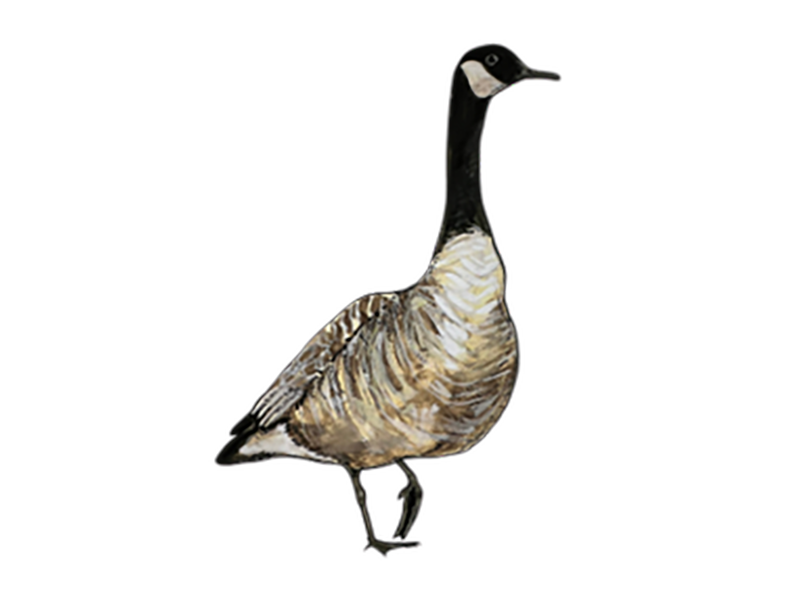
CANADA GOOSE
by Christina Loraine
Loud, bold, and famously unafraid to hiss at joggers and hold up traffic, these geese are regular visitors to our river community. They are large with brown feathered bodies, black heads and necks marked by a bold white chinstrap. They are almost always with their friends migrating and raising mischief from park to park.
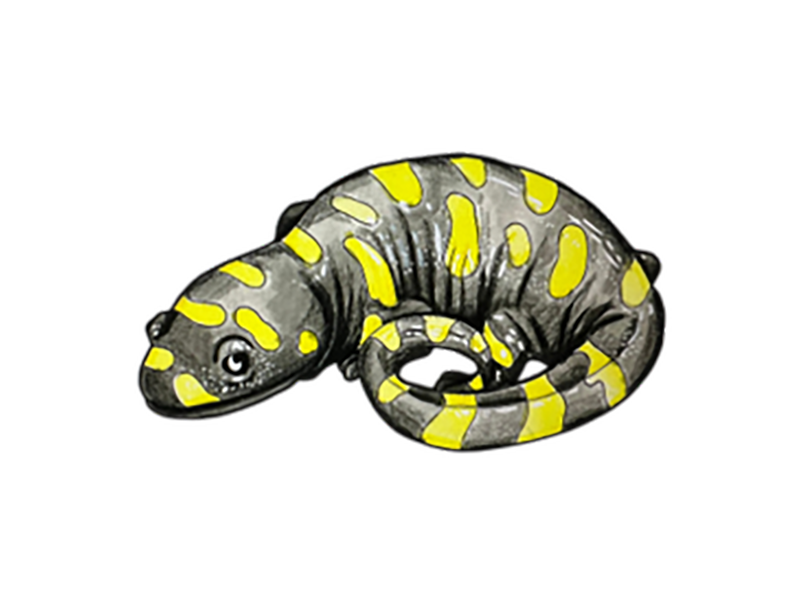
EASTERN TIGER SALAMANDER
by Kitty Paul Jones
Growing up to a foot long these large salamanders are dark brown-to-black and strikingly splashed with bold yellow splotches. However despite being big and boldly colored, they are quite shy. They live up to 15 years but spend most of that time burrowed deep in the ground, hiding away from others. If you catch a glimpse of them consider yourself lucky and the land healthy!
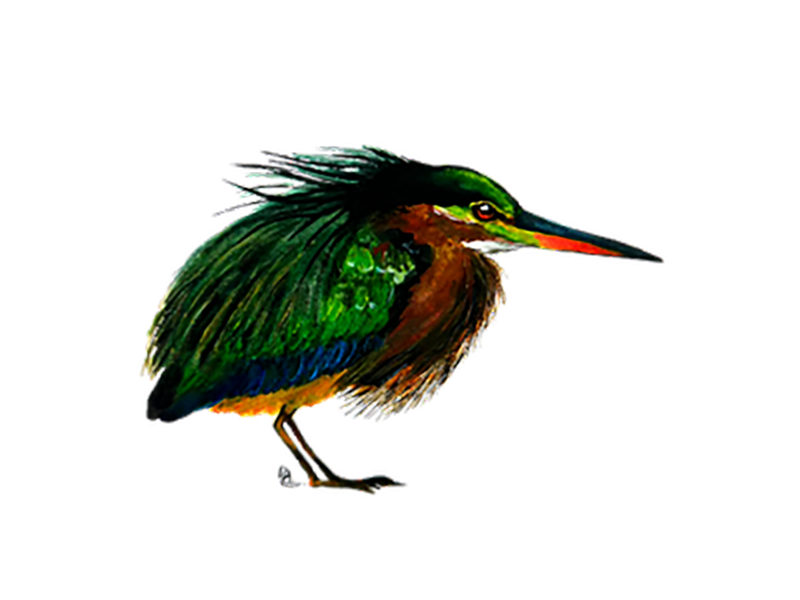
GREEN HERON
by Dina Chamblee
Rocking a dark green-black feathery beanie, shimmery iridescent green coat, chestnut neck with stripes, and short yellowish-orange legs, this small and stocky heron is one colorful character. They are also the habitual turtle-neck wearer of the river bird crew, only bringing their long neck out for special occasions. Not only are they known for their distinct fashion choices, they are also know to be quite smart as one of the few birds that use tools, dropping twigs or insects on to the water’s surface to lure fish to their demise.
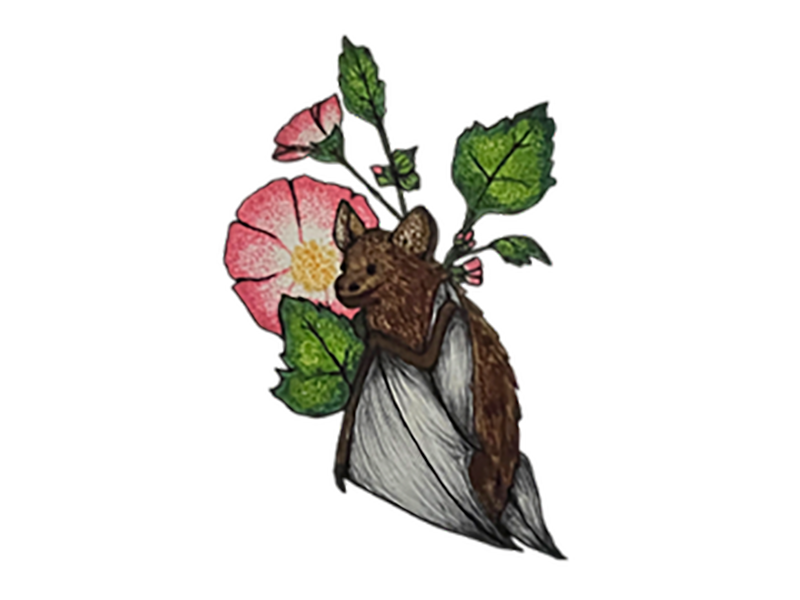
LITTLE BROWN BAT
by Jessica Collins
Small nocturnal mammal with brownish-gold fur, dark brown wings, tiny sharp teeth, and the coolest party trick – echolocation. They emit high-frequency sound waves that bounce off objects, allowing them to navigate and hunt quite efficiently in complete darkness. They also play a crucial role in controlling pest populations by consuming up to half their body weight in insects every night. A fungal disease impacted their population drastically and conservation efforts, like increasing installation of bat boxes, are in play to help bring them back.
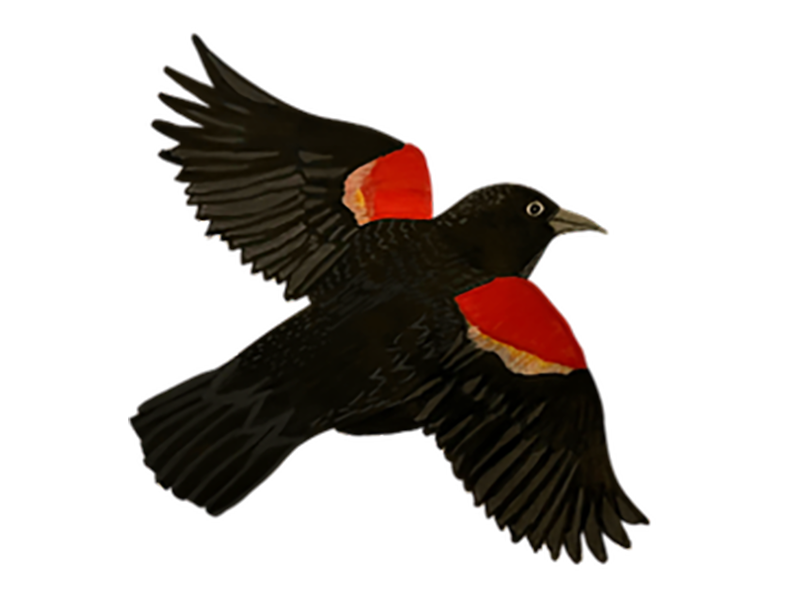
RED-WINGED BLACKBIRD
by Leah Johnson
Impossible to miss and even more impossible to keep quiet, these blackbirds are as flashy as they are loud. Their aire of bossiness, along with their distinctive scarlet red and yellow shoulder patches help them claim mates and territories. Quite abundant in our river valley, they are often seen jumping around from cattail to cattail, and their recognizable songs serve as a happy indication of the return of Spring.
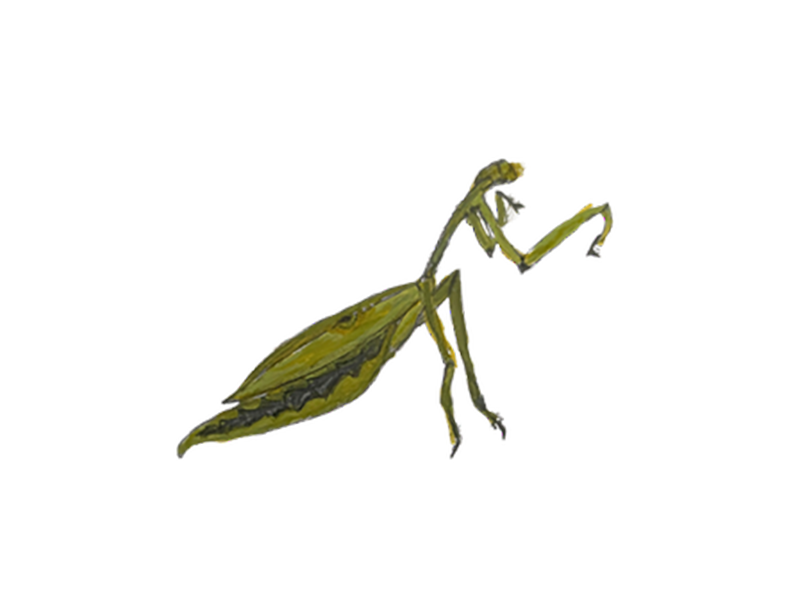
PRAYING MANTIS
by Charlene Phillips
Looking like they are in prayer or doing kung-fu, the praying mantis is a captivating insect. In our river valley there are 3 species, the Carolina which is native, and the Chinese and European which are not native. They range in green to brown in color depending on species and sex. Mantids are cunning ambush predators, using their colors to blend into surroundings and catch prey. The can also turn their heads 180 degrees, which is unique compared to other insects. The males probably evolved this trait to watch their backs as the females are known to eat their heads off after mating.
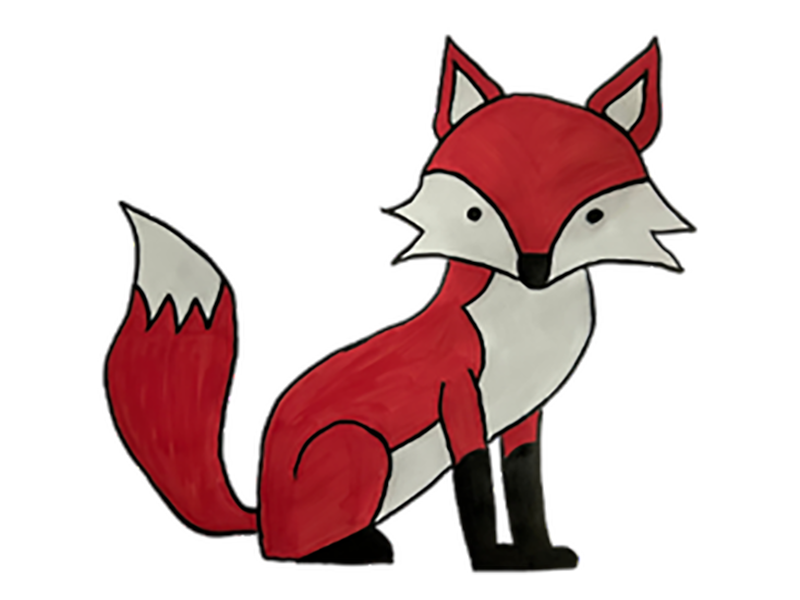
RED FOX
by Leah Johnson
Orange-red fur like fire, pointed ears, black socks, and a white-tipped bushy tail, the red fox is one of the most sylish mammals in our river valley. Known for their stealth and cunning nature, the red fox often only comes out at night to hunt, which works well given its solitatry nature and excellent night vision. Surprisingly omnivores, if they don’t catch any smaller prey they will eat fruit or rummage through garbage for their next meal. Through the years there’s still one question that remains, what does the fox say?
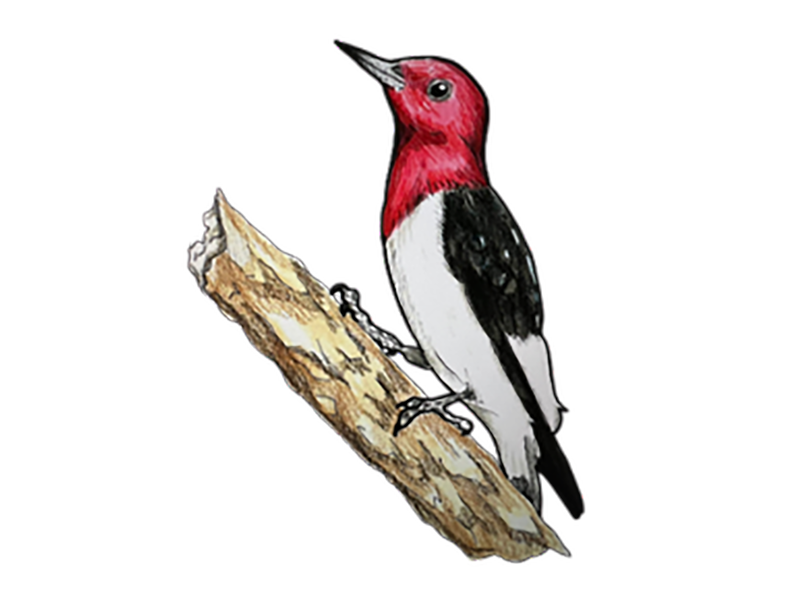
RED-HEADED WOODPECKER
by Kitty Paul Jones
Flashy and bold, this bird is easy to spot! With a fully bright crimson-red head juxtaposed a snow-white body and jet-black wings with large white patches, they are a real show-stopper. They are a common sight in the woods around our river community, where you can see (and hear) them drumming on the trees for meals, catching insects mid-air like an acrobat, and storing their food in the tree crevices. An interesting fact about their drumming, this is not just for a snack, they also do this to communicate and establish their territories.
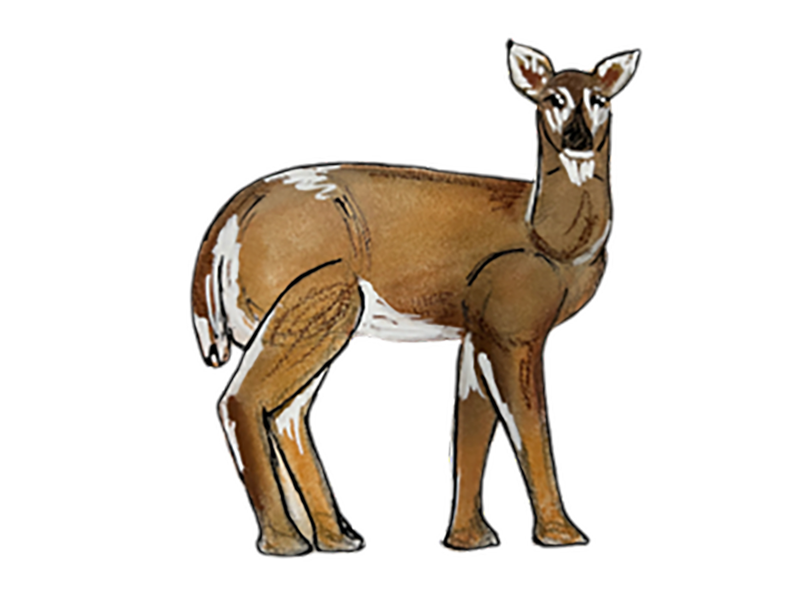
WHITE-TAILED DEER
by Miranda Walters
Standing tall in fields and bounding through woods, white-tailed deer are a common sight in our river valley. These captivating mammals are red-brown in the summer, gray-brown in winter, with large ears, white underbellies and signature white undersided tails, which flash straight up in the air like a warning flag when alarmed. Often in small herds, the males stand proud with their antlers while the females and fawns hide in the underbrush. As herbivores they spend their days grazing, finding delicious grass, twigs, leaves, and berries, sometimes to the detriment of local farmers and gardeners.
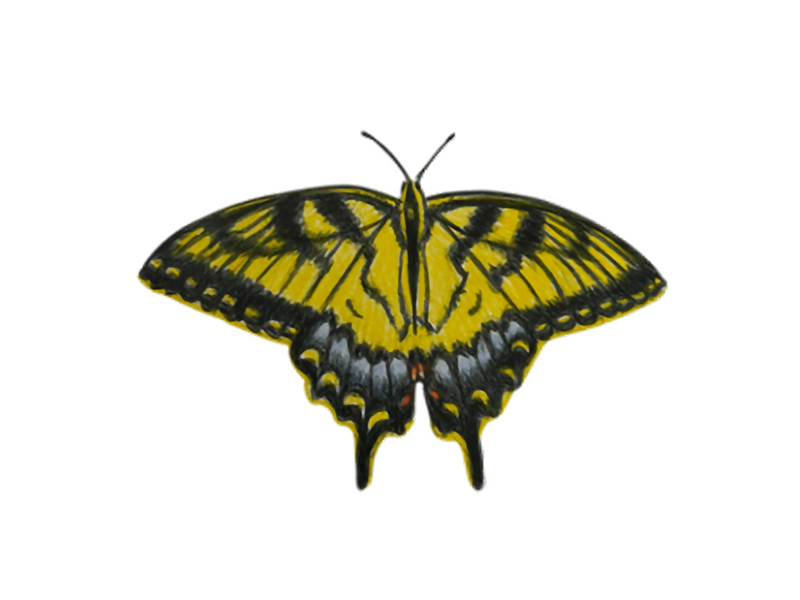
EASTERN TIGER SWALLOWTAIL
by Mary Maciejewski
A captivating yellow butterfly with black tiger stripes and hallmark “tails” on its hindwings, they glide through gardens and take everyone’s breathe away. Starting as a citrus loving caterpillar, this beauty goes through quite a metamorphosis. As pollinators, they contribute to the reproduction of many flowering plants and their presence can be a sign of a healthy ecosystem.
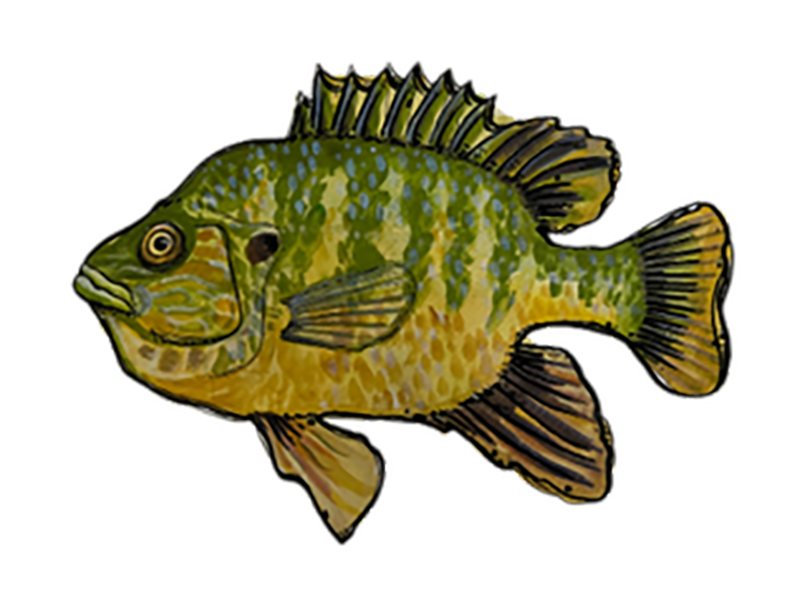
GREEN SUNFISH
by Christina Loraine
Charming and maybe just a little full of it. These sunfish are stocky and thick-bodied, scaled in blues and greens, fading to yellow flecks on the belly, with a dark beauty spot near the dorsal fin, and a surprisingly large mouth for such its size. Despite their small stature, they can be quite aggressive and are always ready for a fight. In fact in some areas they’ve overstayed their welcome in the neighborhood.
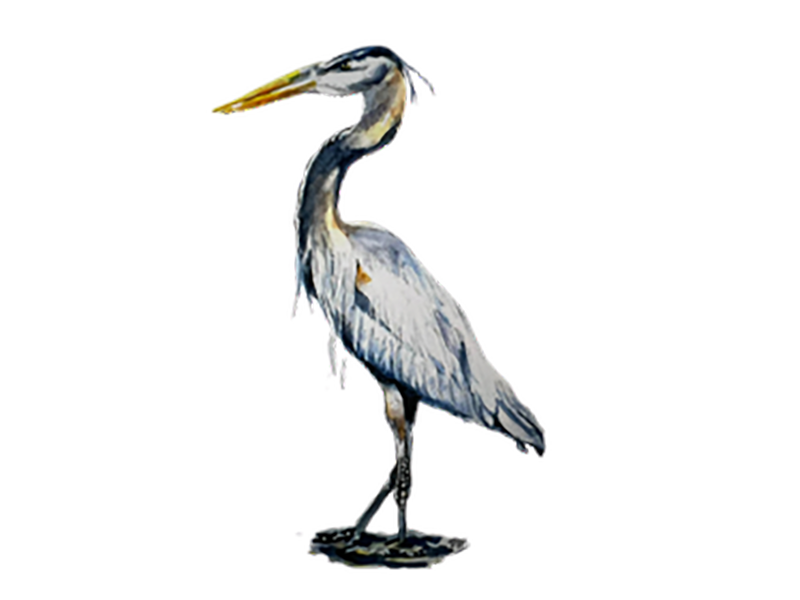
GREAT BLUE HERON
by Mary Bass
Stoic and statuesque, these beautiful slate blue-gray shorebirds are a staple on our river banks. Standing tall on long egs with a dagger for a bill, they are master hunters easily catching fish, insects, frogs and more. They look majestic with white heads and black plumes trailing off the back. They are known for their distinct nesting styles, nesting in colonies called rookeries. Although they are social with each other they are very private rarely letting people get close before flying off, croaking like some kind of prehistoric creature.
FATMUCKET
by Bill Yohnka
Yes, that is really its name. This fresh-water mussel sports an elongated yellowish, brownish shell with green hints and a shiny, slightly wrinkled surface. And while some may say it seems a bit drab from the outside, it is what’s on the inside that counts. This mussel is a true abalonian beauty and, despite its unglamorous title, is a vital powerhouse of the river, helping to maintain water quality by filtering out algae, bacteria, and organic matter, as well as providing habitat for some of its river friends.
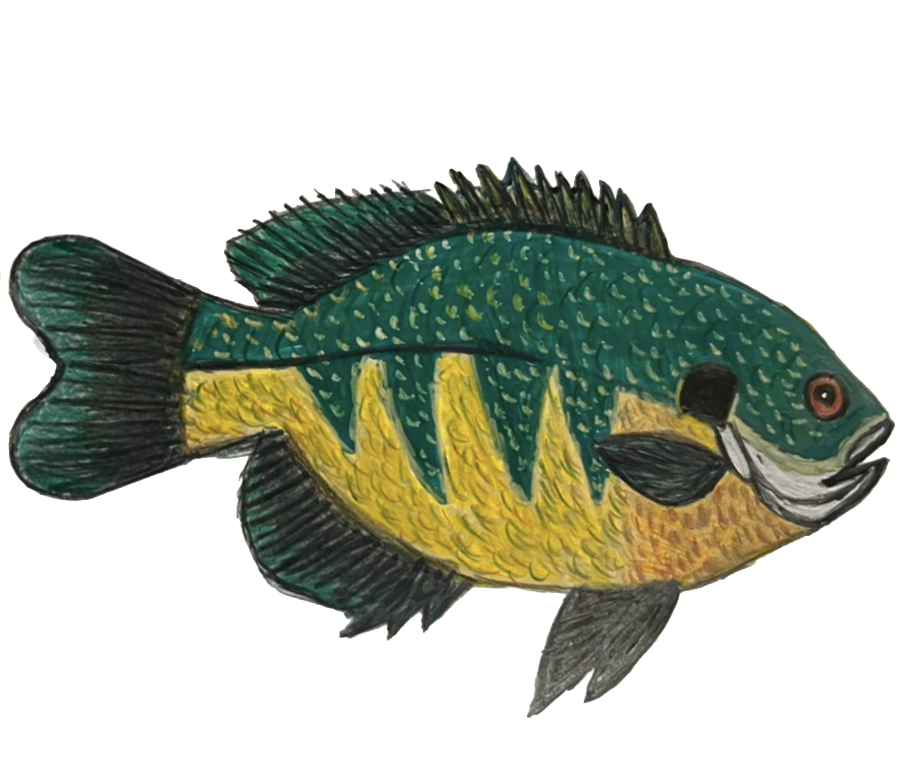
BLUEGILL
by Leah Johnson
Loved by avid anglers and little fisherman alike, bluegill are abundant and fun to fish. Often considered everyone’s “first fish”, they hang out by docks just waiting for small insects or baited hooks to drop, eager to nibble and clean the hook right off in two seconds flat. They are usually on the smaller side and round-shaped, like a small dinner plate. They can have a great color variety in their scales with shades of brown, green, blue, and even purple, darker vertical bands, a black “ear flap”, and a yellow-orange blush on their belly, like a murky water sunset.
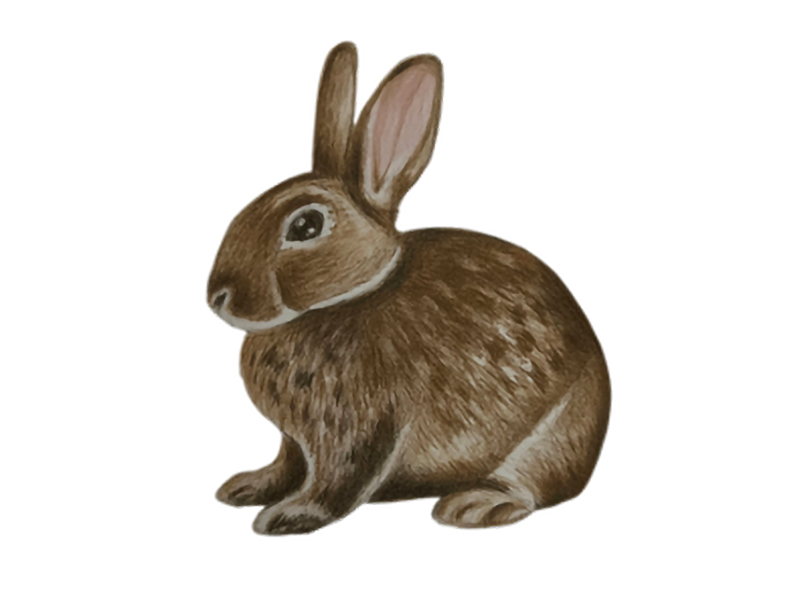
EASTERN COTTONTAIL
by Mary Maciejewski
This classic backyard rabbit has a penchant for getting on a gardener’s bad side. These grayish-brown bunnies are most known for their recognizable fluffy white tails, which resemble a cotton ball. They are the most common rabbit species in North America, and certainly abundant, producing up to 8 litters every year. They also have many predators and a life of always being hunted makes them rather fast – up to 18 mph!
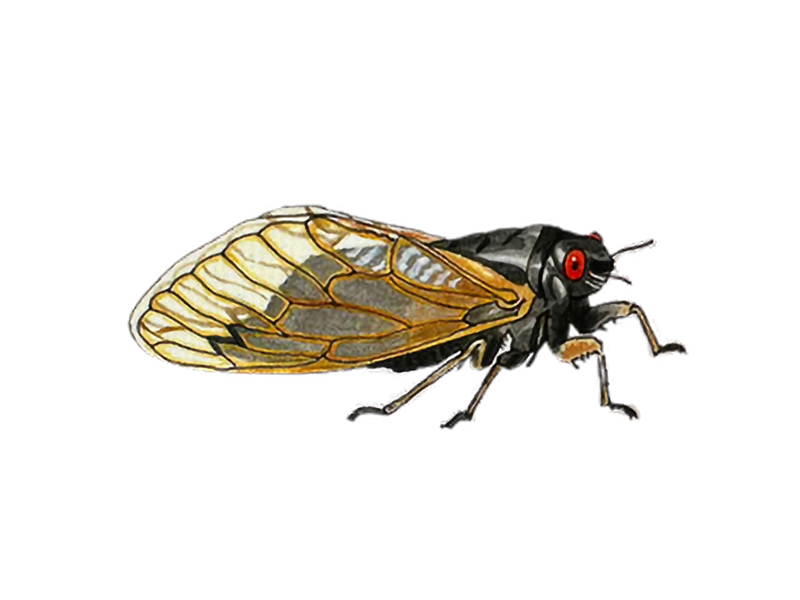
CICADA
by Molly Ulrich
Cicadas really show up to the party, in massive groups with massive sound. These insects stay underground until it is their time to shine, emerging as nymphs with tough exoskeletons that they have to break out of to realize their full-winged potential. Only the adult male cicadas make noise, hoping to attract a partner within the few weeks they are flying free. They are also extremely important to the ecosystem, providing a consistent summer food supply to various predators, as well as helping to aerate the soil with their burrowing.
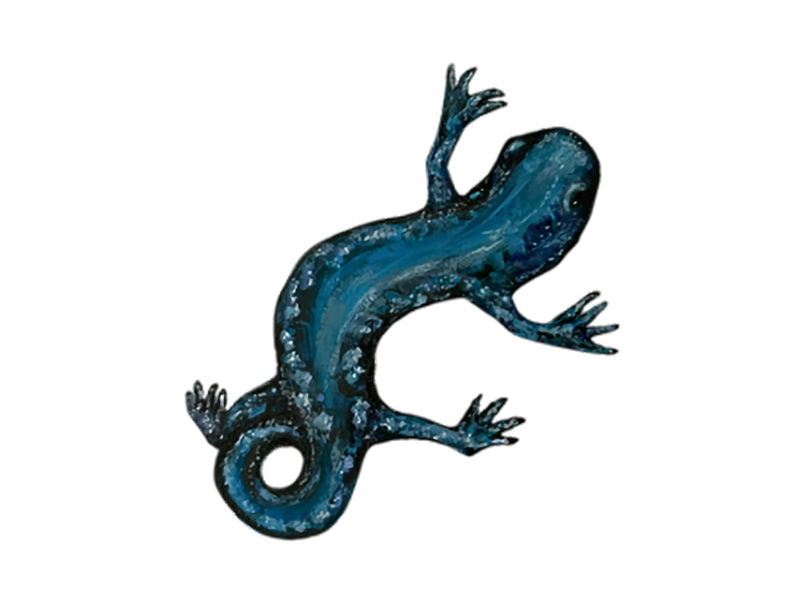
BLUE-SPOTTED SALAMANDER
by Dina Chamblee
A nighttime lover that looks like a constellation itself. The Blue-spotted salamander is dark bluish-black and flecked with blue and white flecks along its sides like a starry night sky. They also have a really long tail that makes up most of their body length. They love kicking it in moist swampy areas, and just by being themselves they play a crucial role in the river ecosystem. They help to control insect populations and serve as an indicator of environmental health.
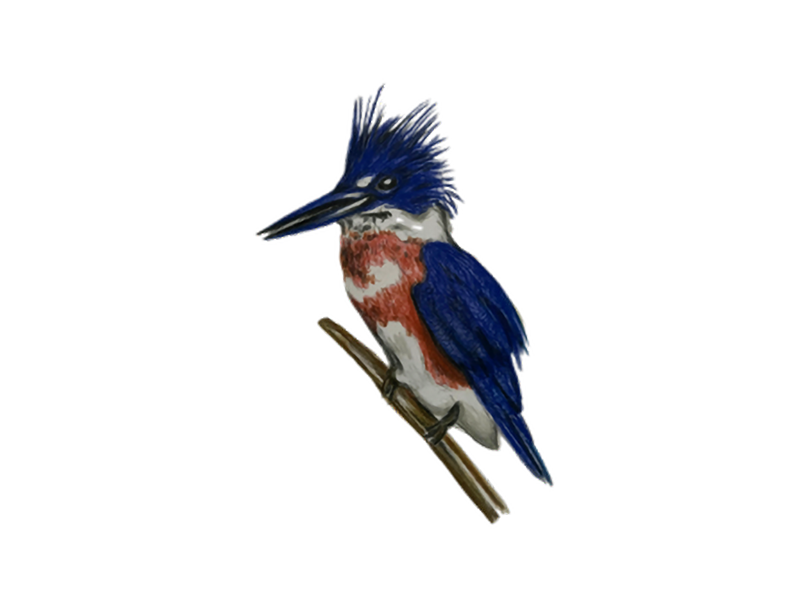
BELTED KINGFISHER
by Mary Maciejewski
A crested, stocky little bird with blue-gray plumage, white collar, and a distinctive blue band across its chest. Flashy and regal looking, they can be found around the Kankakee river swooping and diving head-first for fish. They also have a more unique nesting style, laying their eggs in chambers at the end of tunnels dug into the river bank.
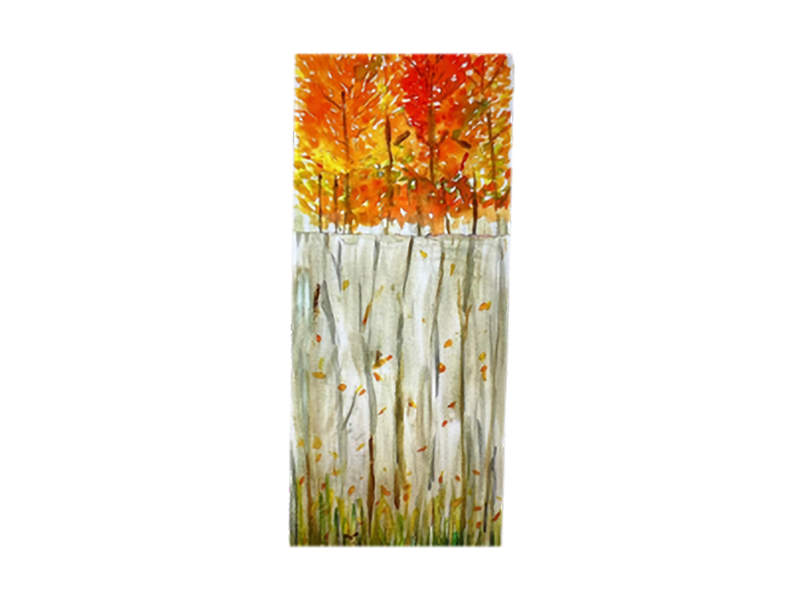
AMERICAN BASSWOOD
by Shannon LaFrance
Standing tall with big beautiful heart shaped leaves, the American Basswood is a wonderful river front tree to see. Its flowers smell lovely and draw in quite the crowd, playing a vital role in our ecosystem by attracting bees and butterflies, as well as birds and small mammals who like to eat its seeds. It also gives a stunning yellow and orange show in autumn. In the past both Indigenous people and European settlers used the inner bark for making ropes and the wood for crafting things like furniture and tools.
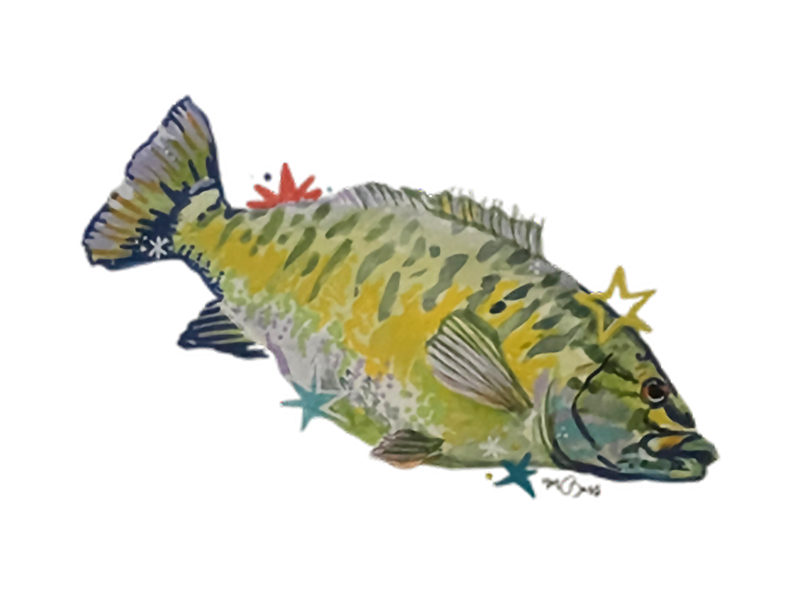
SMALLMOUTH BASS
by Mary Bass
This is a fish that won’t back down. A scrappy one with bronze-brown scales, faint dark vertical banding down its sides, and a red-orange eye. Its upper jaw stops right below the eye, unlike its largemouth cousin. They can grow to over a foot long and they have a voracious appetite, eating anything from other fish to insects and small mammals. Obsessed with rocky rapids and athletic, this one will give you a good fight to reel in!
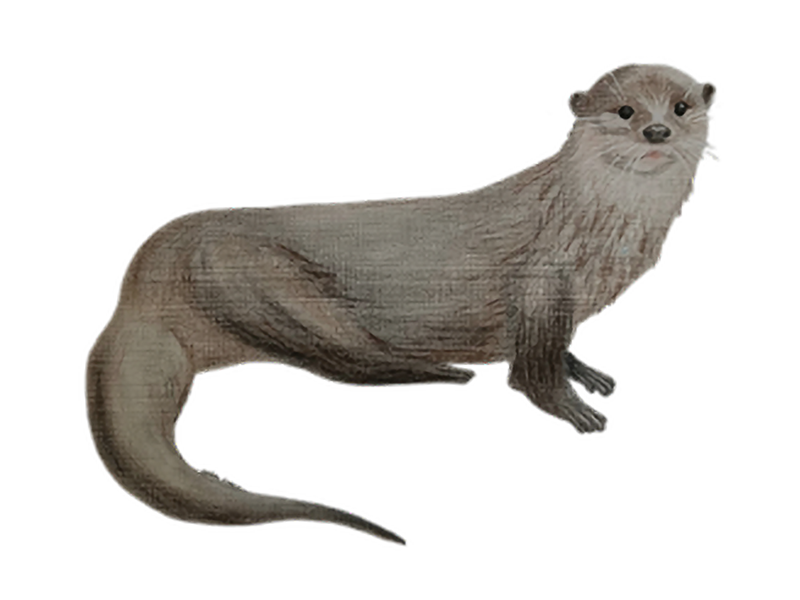
RIVER OTTER
by Melissa Mayorga
Sleek and dark brown with a lighter throat, thick tapering tail, and webbed feet built for speed, river otters make our river valley their home. They like to burrow dens deep into river banks for naps and when not doing that they can be seen swimming around catching fish, frogs and other prey. They can be very playful and often considered the class clowns of the river but despite their quirky demeanor they are also survivors. Long ago indigenous people like the Potawatomi used their fur and meat to survive, and then later when the fur trade boomed they were nearly wiped out for their coats entirely. Thankfully these cute and capable swimmers made a comeback they are still being threatened by environmental pollution.
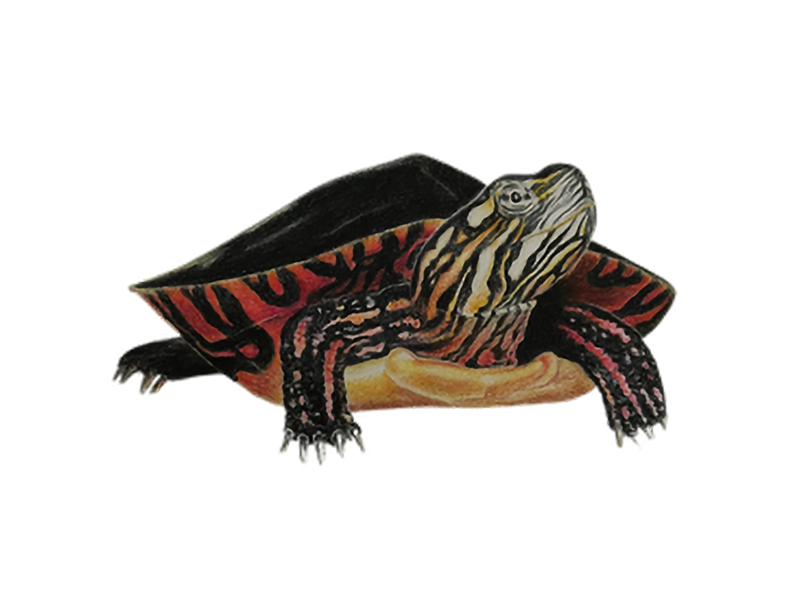
PAINTED TURTLE
by Tori Cohagan
Widespread native turtle that doesn’t blink at an Illinois winter, you’ll often see the Painted turtle sitting out and napping on fallen logs and rocks in the Kankakee river. Protected by their smooth, dark green to black shell rimmed in bright red and yellow markings, they look like a decorated race car with yellow stripes on their head and neck and red-orange stripes on their legs. They can hibernate through the winters under mud and water, absorbing oxygen through their skin. Painted turtles help keep the river ecosystems healthy by being an important link in the food web, eating insects and aquatic plants as well as being eaten by raccoons, foxes, and birds.
PADDLEBOARDING
by Julia McDonald
The Kankakee river is known for its calm and clean water, which makes it perfect for recreational activities like paddleboarding. Surrounded by stunning limestone bluffs and lush forests, you can take in the beautiful scenery and witness all kinds of amazing wildlife while you paddle down the river. A perfect way to add some relaxation and adventure to your day.
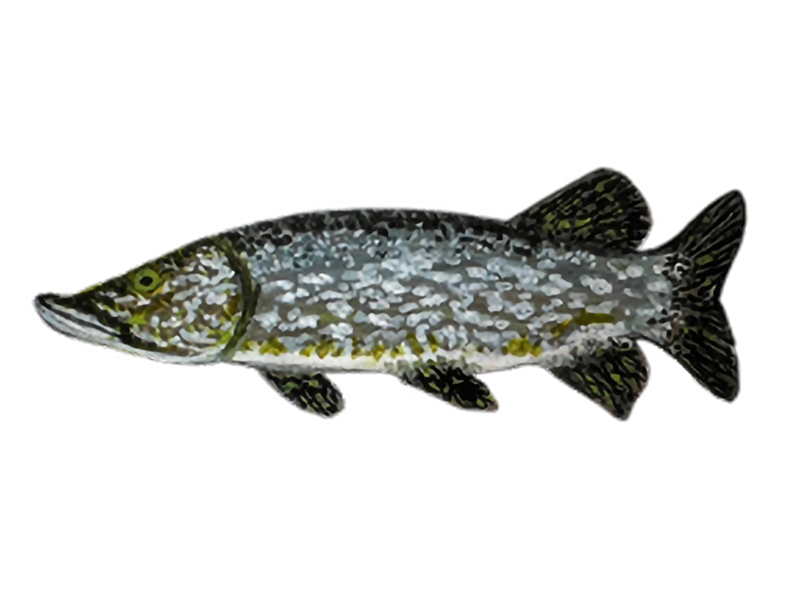
NORTHERN PIKE
by Charlene Phillips
A thing of fish nightmares and fisherman dreams, this ambushing torpedo is an aggressive hunter armed with super sharp teeth. They grow to be very large and are spotted olive-green with a white underbelly and long snouts. They are carnivorous, eating fish, amphibians, and even small birds and mammals. They are a fisherman’s favorite as they put up quite a fight and they are also considered quite tasty.
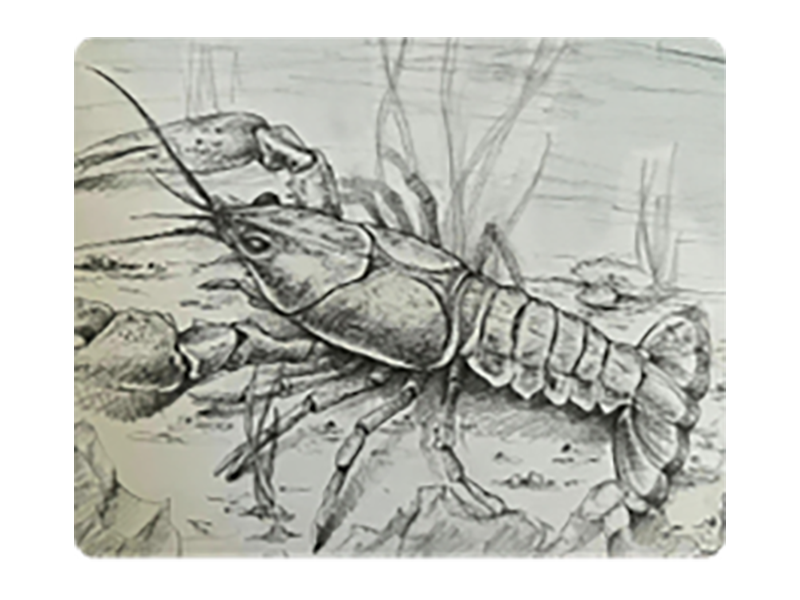
NORTHERN CLEARWATER CRAYFISH
by Sarah Granzow
This rock-loving crustacean is usually olive-brown with a dark saddle like marking on their abdomen and orange or red tips on their prominent claws. They enjoy well-oxygenated waterways and are omnivores, which basically means they’ll eat almost anything. They are an essential part of the river ecosystem, serving as both predator and prey, and unfortunately they’ve been having issues with their invasive and competitive neighbors, the rusty crayfish.
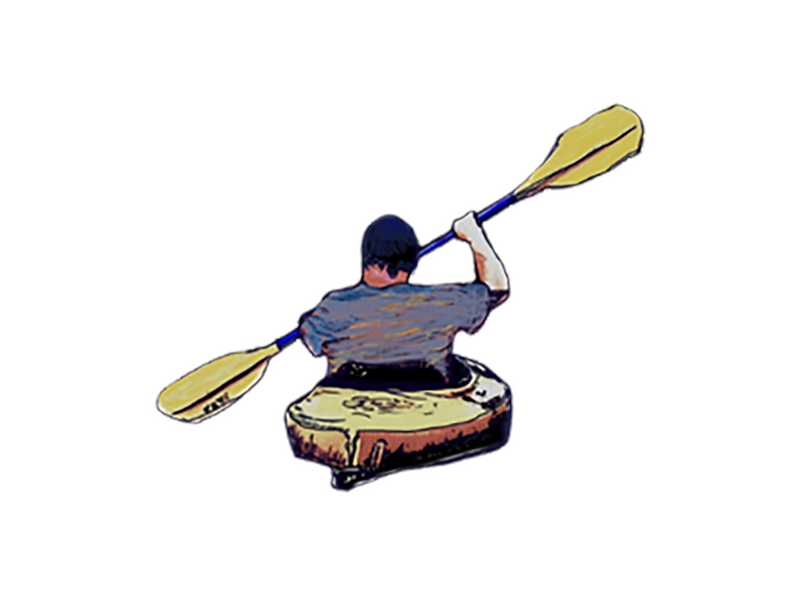
KAYAKING
by Nate Johnson
The Kankakee river moves at a laid-back and unhurried pace, winding past beautiful limestone bluffs and wooded riverbanks. It’s a favorite for kayakers. The gentle route not only offers fantastic scenery, you also get to see plenty of river wildlife like turtles, river otters, and herons – just to name a few. There’s also some river stops you can make for a cold beverage and tasty burger, like the local favorite Ryan’s Pier.
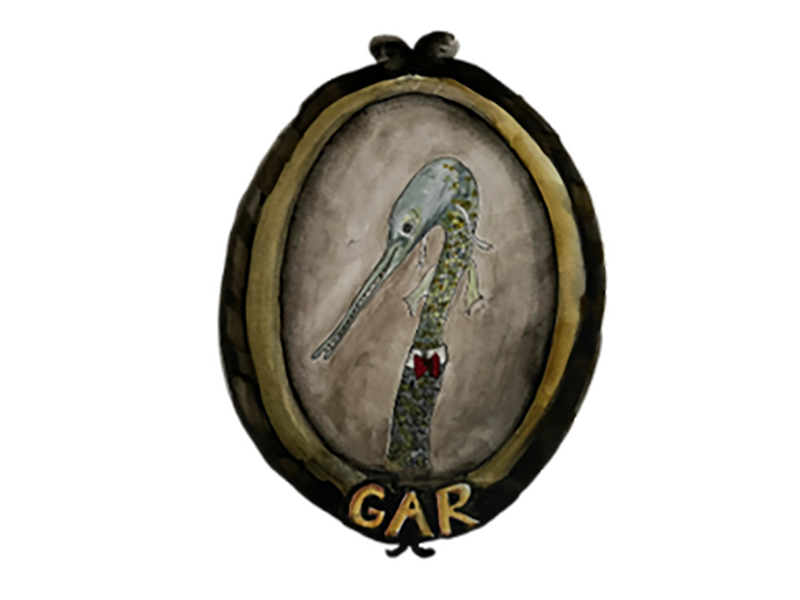
LONGNOSED GAR
by Julia McDonald
Is it a serrated sword or a fish? It’s hard to tell. But one thing is for sure, you’ll want to give this river monster some space. With a slender, olive and brown body armored in hard, diamond-shaped scales, and tipped with a long sharp tooth- studded snout, these guys are quite an intimidating sight. As an ambush predator that grows up to six feet long, they give the vibe of a dinosaur that has not received the extinction memo.
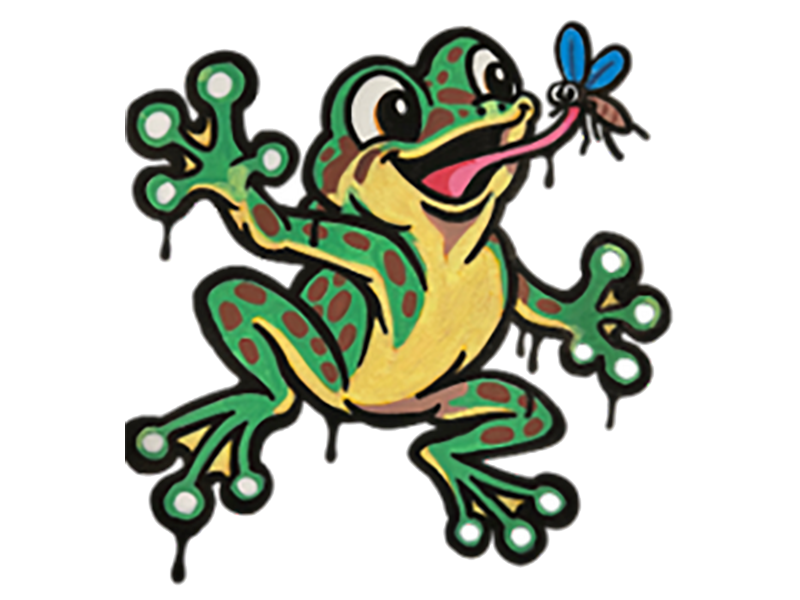
NORTHERN CRICKET FROG
by Brandon Collins
Tiny but mighty, this little frog only gets up to 1.5 inches but you would never guess by its loud and distinctive call that sounds like pebbles doing morse code. They are warty and mottled green-brown, with long hind legs to help them jump to safety when need be. Unfortunately, their numbers are declining in the Midwest due to habitat loss, pollution, and disease. Without conservation efforts the river valley will miss these little frogs and their pebbly call.
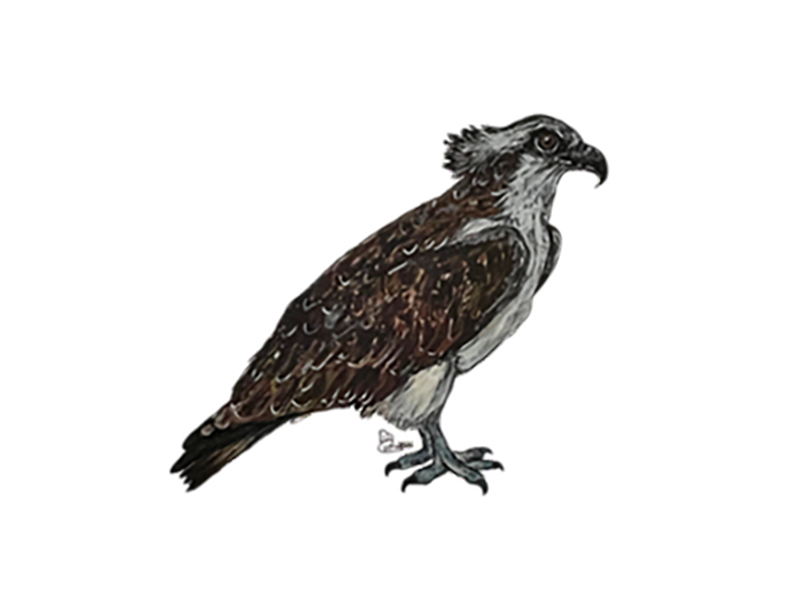
OSPREY
by Dina Chamblee
This large bird of prey can be seen around the Kankakee river diving talons first for tasty fish morsels. They feed almost solely on fish so it is rare to see them far away from lakes and rivers. Recognizable by the sharp contrast between their dark brown bodies and stark white heads and undersides, a brown stripe running by their eyes, as well as the “W” their wings form when they fly. They tend to mate for life and will return to the same nesting site year after year. They’re also resilient, having made quite the comeback over the years however they still face challenges with habitat loss, environmental contaminants, and collisions with man-made structures.
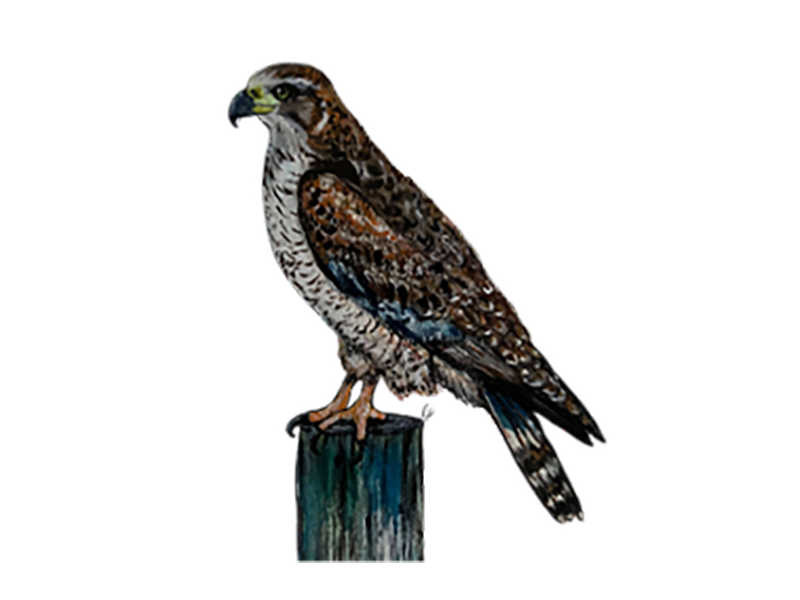
NORTHERN HARRIER
by Dina Chamblee
Gliding low over fields looking for voles, mice, and ground squirrels, Northern harriers are hawks with a mission. They are know to have a unique hunting technique, which involves flying low over the river valley with their wings held in a V-shape. They also have an owl-like facial disc which helps them be even more effective at hunting. The females are brown and white streaked, with a tell-tale white rump and the males are grey and white with black tipped wings.
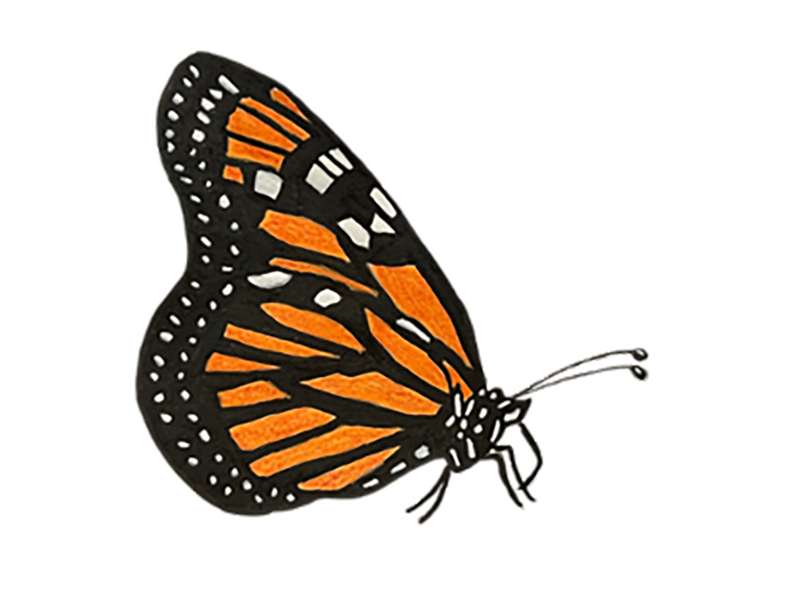
MONARCH BUTTERFLY
by Leah Johnson
A true staple in the pollinator world, these butterflys have bright orange wings with black veins and white spots. In winged form, they enjoy the nectar of various plants however as caterpillars they are the pickiest eaters, feeding exclusively on milkweed. They migrate across the US, traveling as far as 2,800 miles which makes them the long-distance champions of the insect world. Considered endangered, efforts are being made to protect their habitats and food sources. When you plant pollinator plants and milkweed in your garden, you help bring more beautiful monarchs to Kankakee!
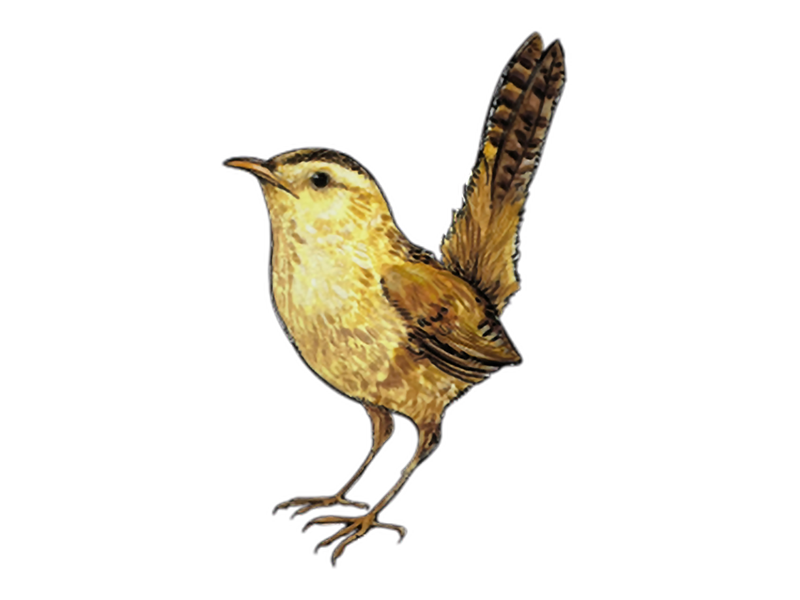
MARSH WREN
by Christina Loraine
A tiny little bird with a beautiful and surprisingly loud song, you will find them bouncing around in the cattails and rushes. Marsh wrens are mostly brown with some lighter colored streaks and sporting the classic cocked-up wren tail. They are skilled nest builders, often building multiple in their territory like a bunch of riverside condos.
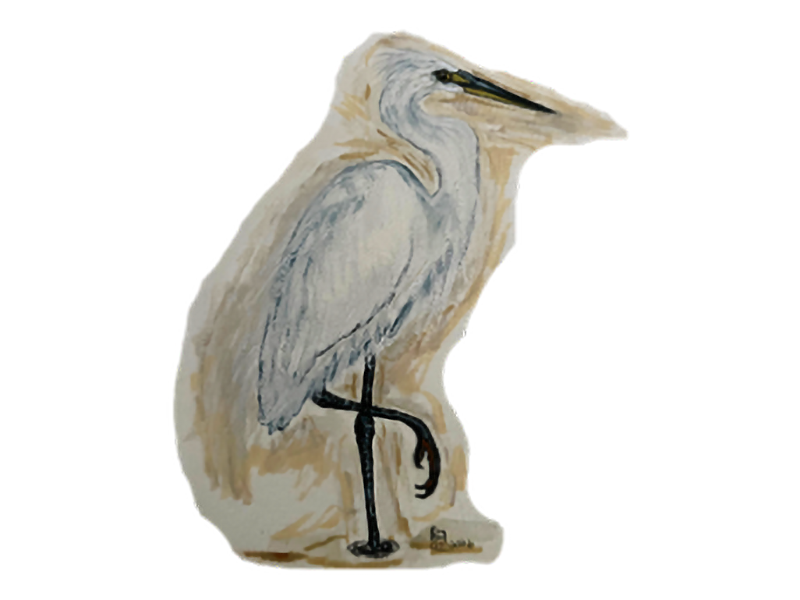
GREAT EGRET
by Dina Chamblee
Easy to pick out amongst the river landscape of grays, browns, and greens, the great egret is a graceful all white shorebird with a long curved neck, yellow dagger bill, and black legs. Fancy and sure-footed, this beautiful bird looks like it’s perpetually dressed for a gala even when its just wading about in the river hunting cray fish and frogs. They like to stand perfectly still when they hunt so they can ambush their prey and successfully land their next meal. They often nest in colonies building platform nests in trees.
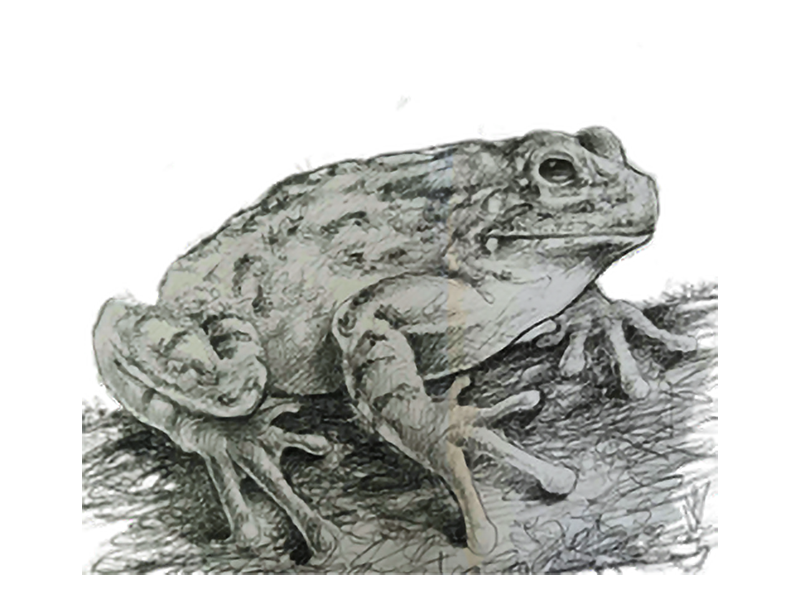
EASTERN GRAY TREEFROG
by Sarah Granzow
Taking cues from the color-changing chameleon, this frog can shift its skin color from grey to green to brown depending on its surroundings. Along with its warty and patchy color-changing skin, it also boasts bright yellow-orange streaks under its hing legs, and large adhesive toe pads. These sticky feet allow these frogs to climb easily and navigate trees and shrubs, finding more food and staying safe from predators.
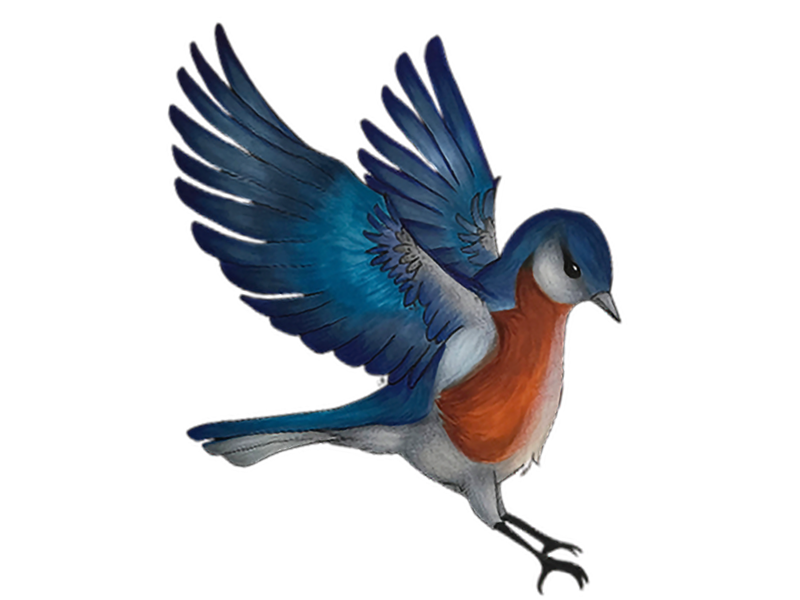
EASTERN BLUEBIRD
by Ellie Stoltz
Sky blue body with a warm orange breast flashing like sunshine, this cheery little bluebird is sure to brighten your day. They are little globetrotters, traveling as far south as Nicaragua during migration. They also love to nest in cavities, like holes in trees, and thanks to an increase in nesting boxes their population size has made quite the comeback.
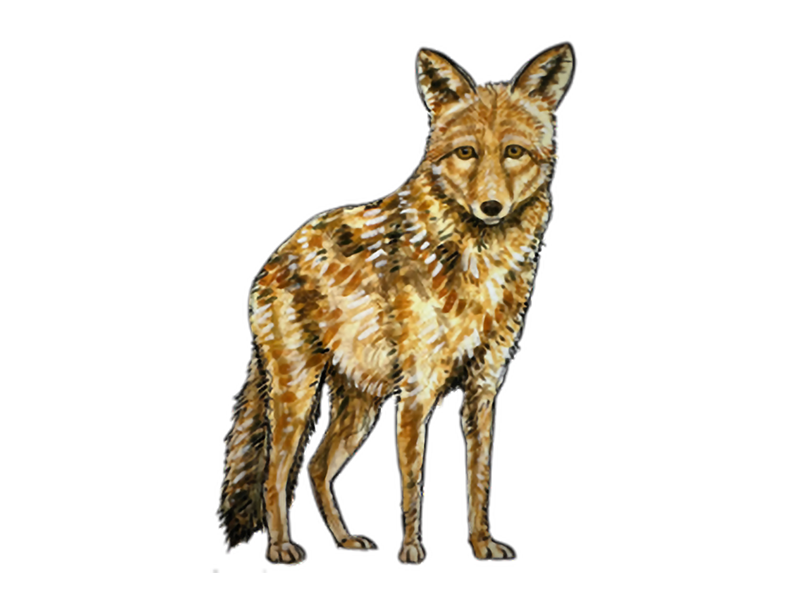
COYOTE
by Christina Loraine
This slender wild canine wears a gray, brown, and reddish coat with a bushy black-tipped tail and pointed ears. They are resiliant, smart, and social, living in affectionate family groups that take care of each other. They have figured out how to coexist with people and have a surprisingly diverse palate including scavaged human left-overs, berries, insects, small mammals, and sometimes even large ones like deer. You will sometimes hear them playing and hunting at night, laughing and howling at the moon.
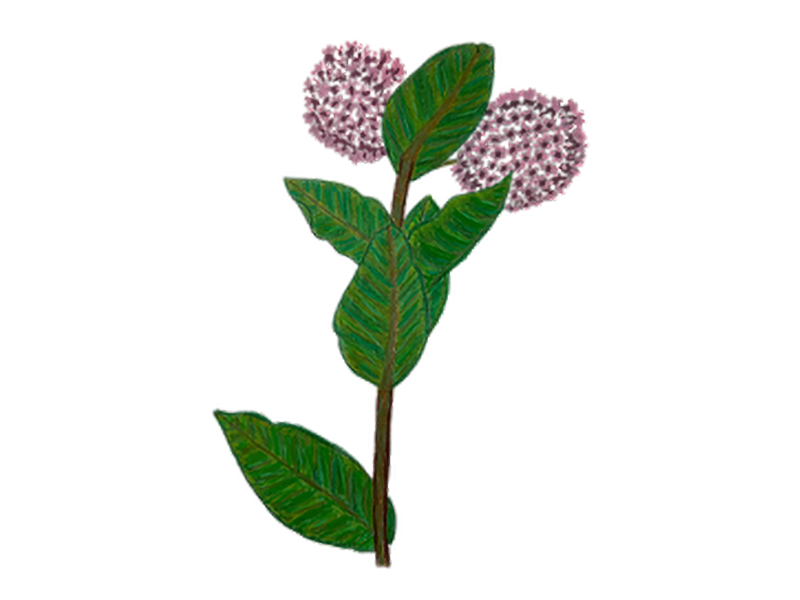
COMMON MILKWEED
by Leah Johnson
A pollinators paradise, these tall perennial wildflowers have beautiful dome-shaped clusters of pink-purple star-like flowers that smell amazing and provide delicious nectar. They also sport green oval leaves that happen to be the sole food source for monarch caterpillars. Toward the end of summer they end up growing large green seed pods that split open to release silky-tufted seeds that dance in the wind.
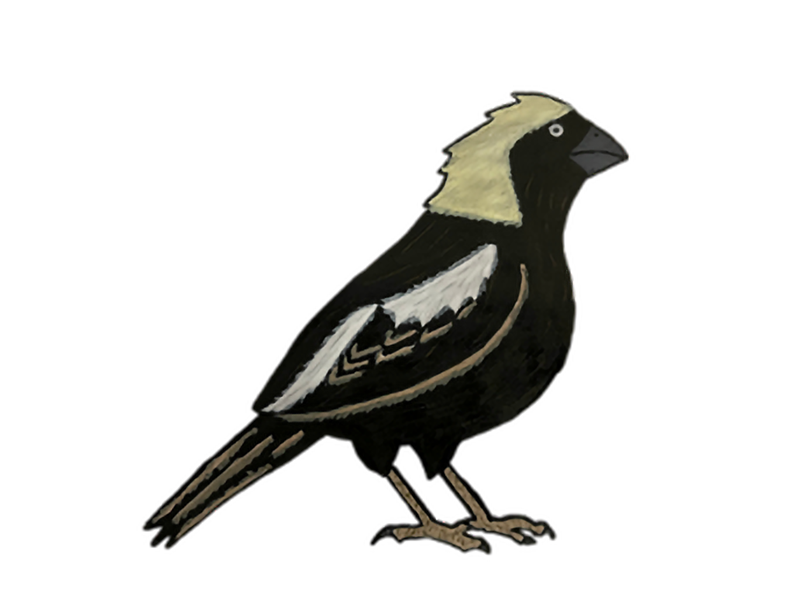
BOBOLINK
by Leah Johnson
These song birds are well-traveled and do so in style. With a patchy black and white body and a sand-colored yellow cap on the back of its head, the male bobolink looks like he’s wearing a backwards tuxedo. This seems to do the trick with the ladies, as they will often have multiple partners and broods in a season. The female bobolinks make their nests on the ground in grasslands. Unfortunately their numbers have been in decline due to the destruction of this very habitat they rely on, due to increases in agriculture and pesticide use.
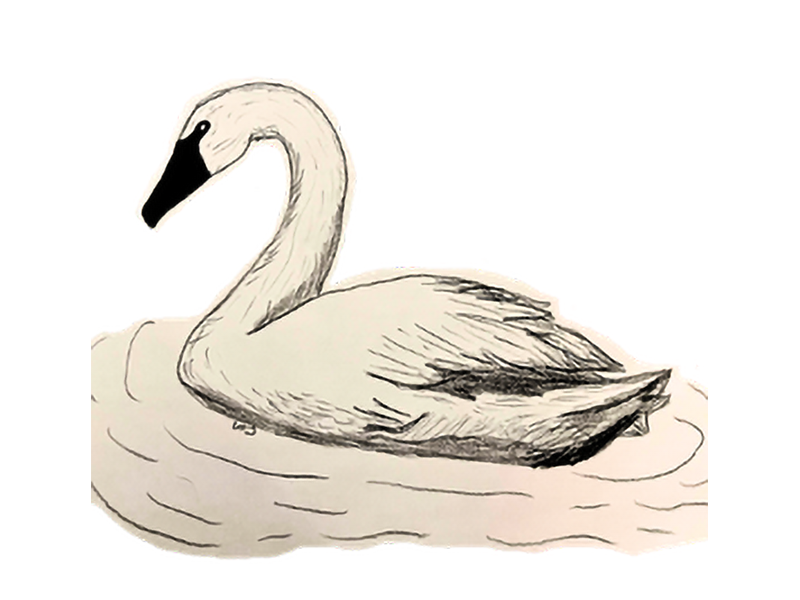
TRUMPETER SWAN
by Leah Johnson
This majestic bird is truly captivating with its all-white plumage and striking solid black bill. Its enormous size is also quite impressive, as our largest native waterfowl with a wingspan averaging 8 ft. And as if that were not enough, they are also known for their loud trumpeting call and for being a survivor with a conservation comeback story worthy of applause.
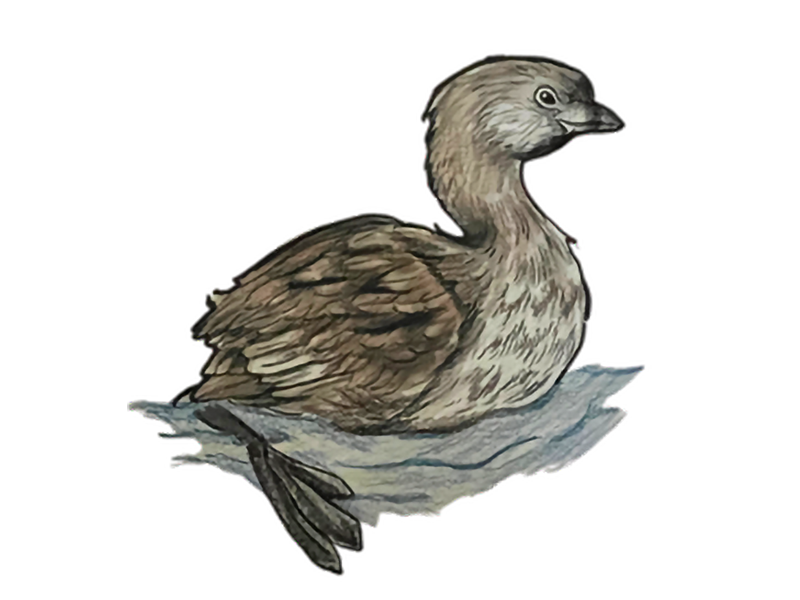
PIED-BILLED GREBE
by Kitty Paul Jones
A mighty little diver, vanishing underwater without so much of a splash. These aquatic adventurers are feathered brown with a distinctive thick bill which is white-ish with a black band around it during breeding season. They are very strong swimmers which helps them catch small fish, amphibians, and crustaceans. These guys also prefer to keep to themselves as true loners of the waterbird world, which may be due in part to a peculiar habit they have of eating their own feathers to aid in digestion.
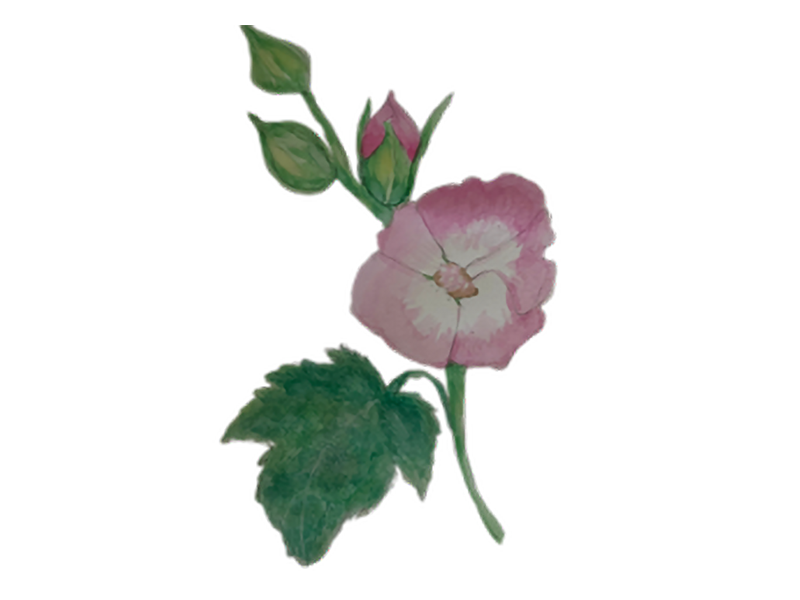
KANKAKEE MALLOW
by Mike Klen
The rare and critically imperiled Kankakee mallow calls Langham Island home. This beautiful wildflower with pale pink-purple blooms of five petals and green lobed leaves is the hallmark of resiliency. Surviving despite climate change and habitat loss, it has made quite the comeback since 2014 when it was neary wiped out. Thanks to local conservation efforts, which include regular prescribed burns, the seeds are better able to germinate and there are less competing invasive to thwart its growth. Many believe the Kankakee mallow should be named the state flower of Illinois, what do you think?
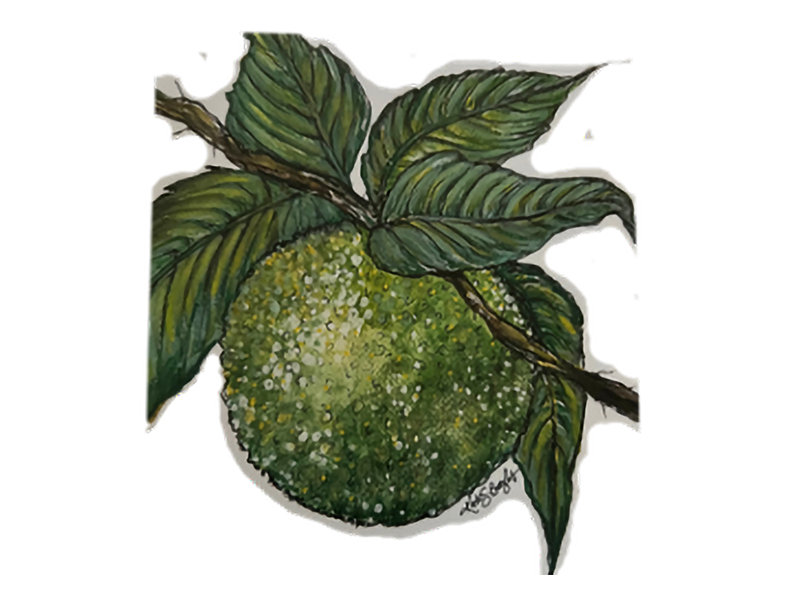
HEDGEAPPLE (OSAGE ORANGE TREE)
by Katie Bretzlaff
Picturesque trees with giant green fruit that kind of look like oranges covered in braille. Originally from the South, the osage orange tree (aka hedgeapple) is now a common sight in our river valley and has more than earned its keep. Indigenous people used its hardy wood for bow making. In more recent times farmers and land-owners like to use it as a natural fencing, as its thorny and dense body helps deter animals and provide privacy. It also has ecological benefits helping to provide habitat and food for wildlife as well has preventing errosion with its root structure.
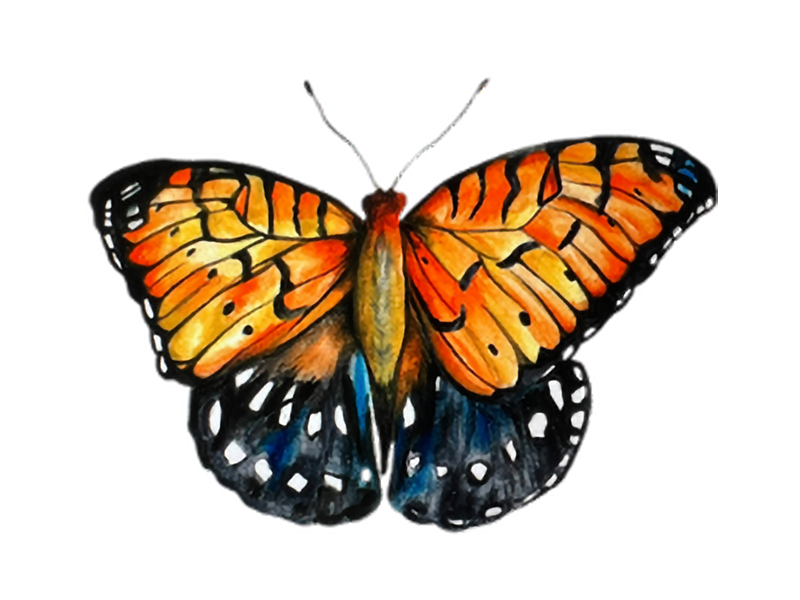
REGAL FRITILLARY BUTTERFLY
by Katie Locke
A bright and colorful butterfly with vivid orange and black coloration. Their caterpillars rely solely on violets as a food source. Once they mature into butterflies, they love flitting around the tall prairie grasses, relying upon milkweeds, coneflowers, and other sunny prairie flowers for nectar. They are important pollinator in our area, playing a significant role in remaining prairie ecosystems. Unfortunately as their habitats shrink and pesticide use increases, their lives are threatened and conservation efforts are being implemented to keep them around.
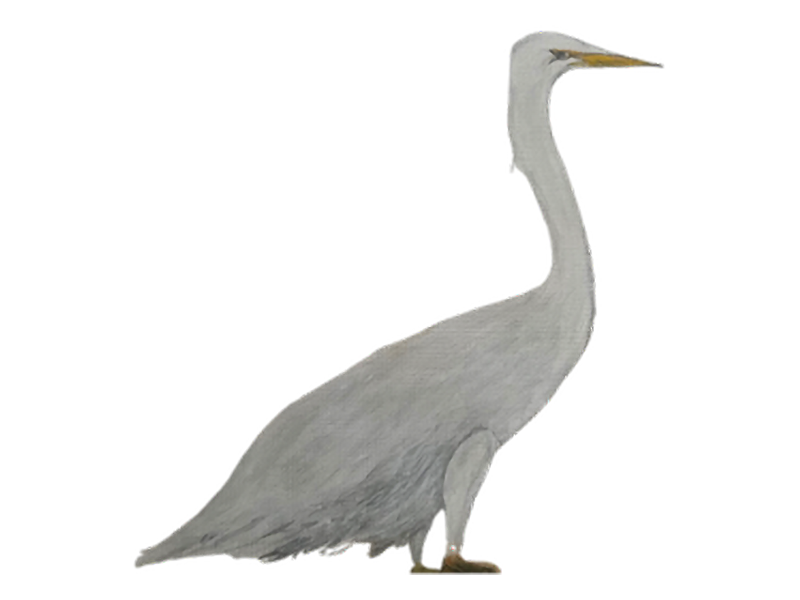
GREAT EGRET
by Charlene Phillips
Easy to pick out amongst the river landscape of greys, browns, and greens, the great egret is a graceful all white shorebird with a long curved neck, yellow dagger bill, and black legs. Fancy and sure-footed, this beautiful bird looks like it’s perpetually dressed for a gala even when its just wading about in the river hunting cray fish and frogs. They like to stand perfectly still when they hunt so they can ambush their prey and successfully land their next meal. They often nest in colonies building platform nests in trees.
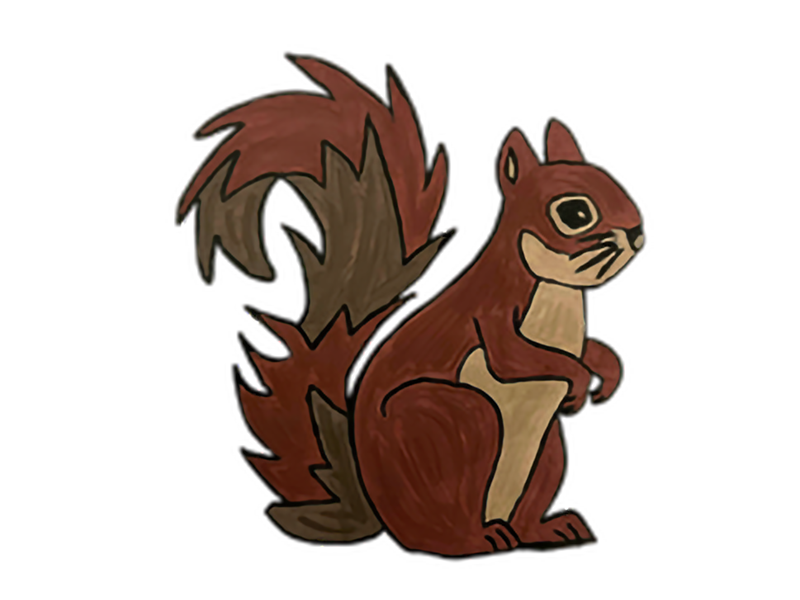
FOX SQUIRREL
by Leah Johnson
Larger than life, well at least larger than any other squirrel in the river valley, the fox squirrel is easy to differentiate from its other squirrel cousins. They have thick rusty orange-brown fur and super fuzzy tails, like they’re always ready for fall. Unlike their cousins the gray squirrels, they do not like forests with a lot of underbrush, preferring more open spaces. They do like to store food but they do not hibernate, staying active through the winter. They also play an important role in the ecosystem by helping to distribute nuts and acorns which contributes to forest regeneration.
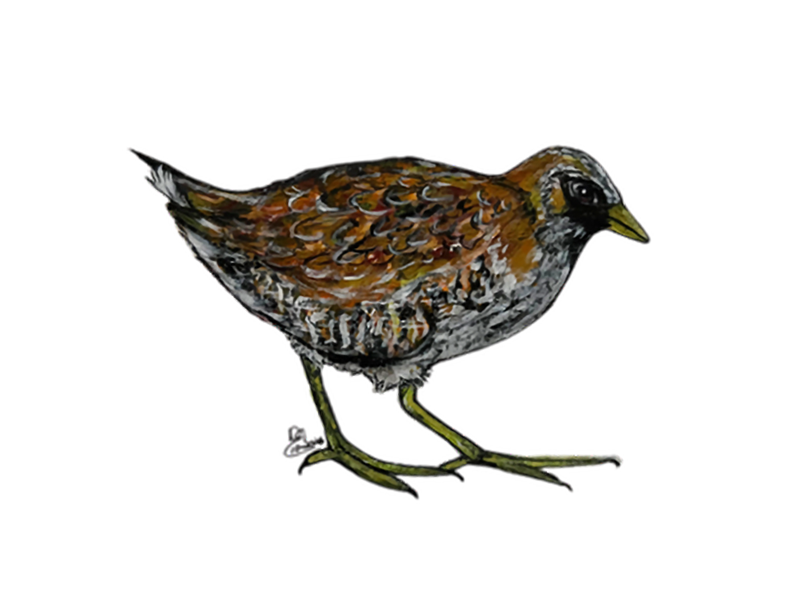
SORA
by Dina Chamblee
Using the cattails and rushes as its place of solace, this small migratory waterbird prefers the quiet and secretive life. Plump and dressed in gray-brown striped and speckled feathers with a black mask and a distinct short and sunny bill, the sora is a beautiful bird even if it doesn’t like to flaunt it. They like to forage for food through the marshes and shallow water finding all the delectable treats like seeds, snails, and spiders. They are known for their distinct spring call that is likened to a horse’s whinny.
FAQs
River Quest is FREE! Just head over to Rubber Rose Bookstore or the Kankakee Public Library to participate.
River Quest is open to anyone, age 0 – 150!
River Quest starts October 15 and runs through November 15
We are no longer taking artwork contributions, but if you’d like to participate and help make this event a success for years to come, invite and encourage everyone you know!
#staycurrent
Error: No feed found.
Please go to the Instagram Feed settings page to create a feed.